
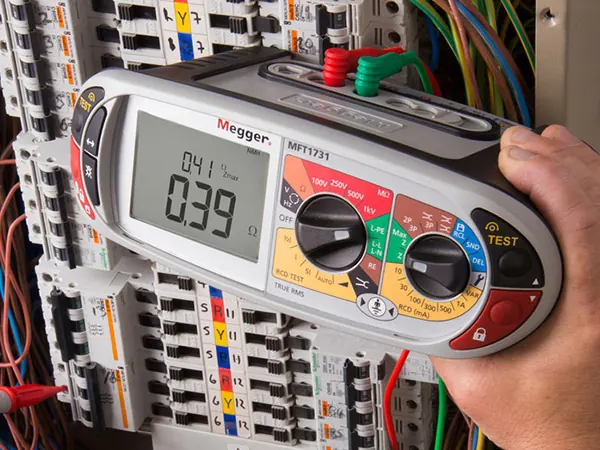
What is electrical inspection and testing?
Inspection and testing is the process of checking an electrical installation to make sure it has been installed correctly, is safe to use and meets the requirements that apply to the work.
It involves more than connecting a tester and writing down numbers. You need to inspect the installation, choose and carry out the correct tests, understand whether the results are acceptable and complete the correct certificate or report.
The exact process depends on what you are checking. Testing a newly installed circuit before it is put into service is different from inspecting an existing installation that may have been in use for many years.
Where the installation is in a dwelling, Building Regulations also apply on top of BS 7671. Our Part P electrical regulations guide covers which domestic work is notifiable and how it is certified.
The qualification is only part of competence
A certificate shows that you have successfully completed a qualification. Competent inspection and testing also depends on your practical experience, electrical knowledge and ability to apply that knowledge to the installation in front of you.
Initial verification vs periodic inspection
Understanding this difference makes the qualification choices much easier.
Initial verification
New work before it is put into service
Initial verification is carried out on new electrical work, including new installations and relevant additions or alterations, to confirm that the work has been inspected and tested before it is put into service.
This is the area covered by qualifications such as City & Guilds 2391-50 and EAL's Level 3 Initial Verification award.
Periodic inspection
Existing installations already in service
Periodic inspection and testing looks at the condition of an existing installation and identifies damage, deterioration, defects or other issues that may affect safety.
This is the area associated with periodic inspection, condition reporting and EICR work.
Not PAT testing
This guide is about inspection and testing of fixed electrical installations. In-service inspection and testing of electrical equipment, often called PAT testing, is a different qualification area.
Which inspection and testing qualifications are available?
City & Guilds and EAL both offer recognised Level 3 inspection and testing qualifications. The names are different, but the main choice is still whether you need initial verification, periodic inspection or a combined route.
City & Guilds 2391
EAL Level 3 routes
Initial Verification
EAL Level 3 Award in the Initial Verification and Certification of Electrical Installations.
Periodic Inspection
EAL Level 3 Award in the Periodic Inspection, Testing and Certification of Electrical Installations.
Combined
EAL Level 3 Award in Electrical Installation Inspection, Testing, Certification and Reporting, covering both initial verification and periodic inspection and testing.
The important question is not simply “City & Guilds or EAL?” Check that the exact qualification covers the inspection and testing work you need to carry out.
Who are Level 3 inspection and testing qualifications for?
Level 3 inspection and testing qualifications are generally aimed at practising electricians who already understand electrical installation work and want to develop or formally demonstrate their inspection and testing skills.
City & Guilds describes its 2391 qualifications as being for practising electricians who want to expand their skills in initial verification and/or periodic inspection.
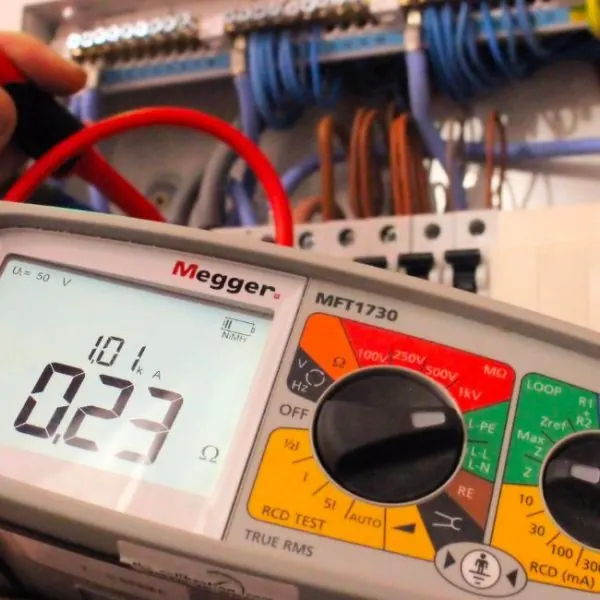
What if you are not ready for Level 3?
If you are still building confidence with fundamental inspection and testing, jumping straight into a Level 3 qualification may not be the best first step.
City & Guilds currently offers the 2392-10 Level 2 Certificate in Fundamental Inspection, Testing and Initial Verification. City & Guilds says it is suitable for qualified electricians with some relevant experience who want to prove or refresh fundamental inspection and testing skills.
View City & Guilds 2392Do not book a course just because it is advertised as “2391”
Check the exact qualification number, what it covers and whether you already have the practical experience expected for that route.
What will you learn and be assessed on?
The exact assessment depends on the qualification, but inspection and testing courses typically bring together legislation, practical testing, interpretation of results and electrical certification or reporting.
Safe isolation
You need to work safely before testing starts, including selecting the correct point of isolation and following the required safe-working procedure.
Inspection
You learn how to inspect an installation properly and recognise defects or conditions that need further investigation.
Electrical testing
You practise using the correct test instruments, carrying out the required tests and understanding what the readings are telling you.
Certificates & reports
You need to record the results correctly and complete the relevant certification or condition report for the work being assessed.
Expect both knowledge and practical assessment
City & Guilds currently assesses its 2391 pathways using a multiple-choice online test and a practical task. Training providers should tell you exactly how the qualification you are booking is assessed.
Practical experience matters. You should be comfortable using test equipment, following safe procedures, interpreting results and completing the correct paperwork rather than relying only on exam revision.
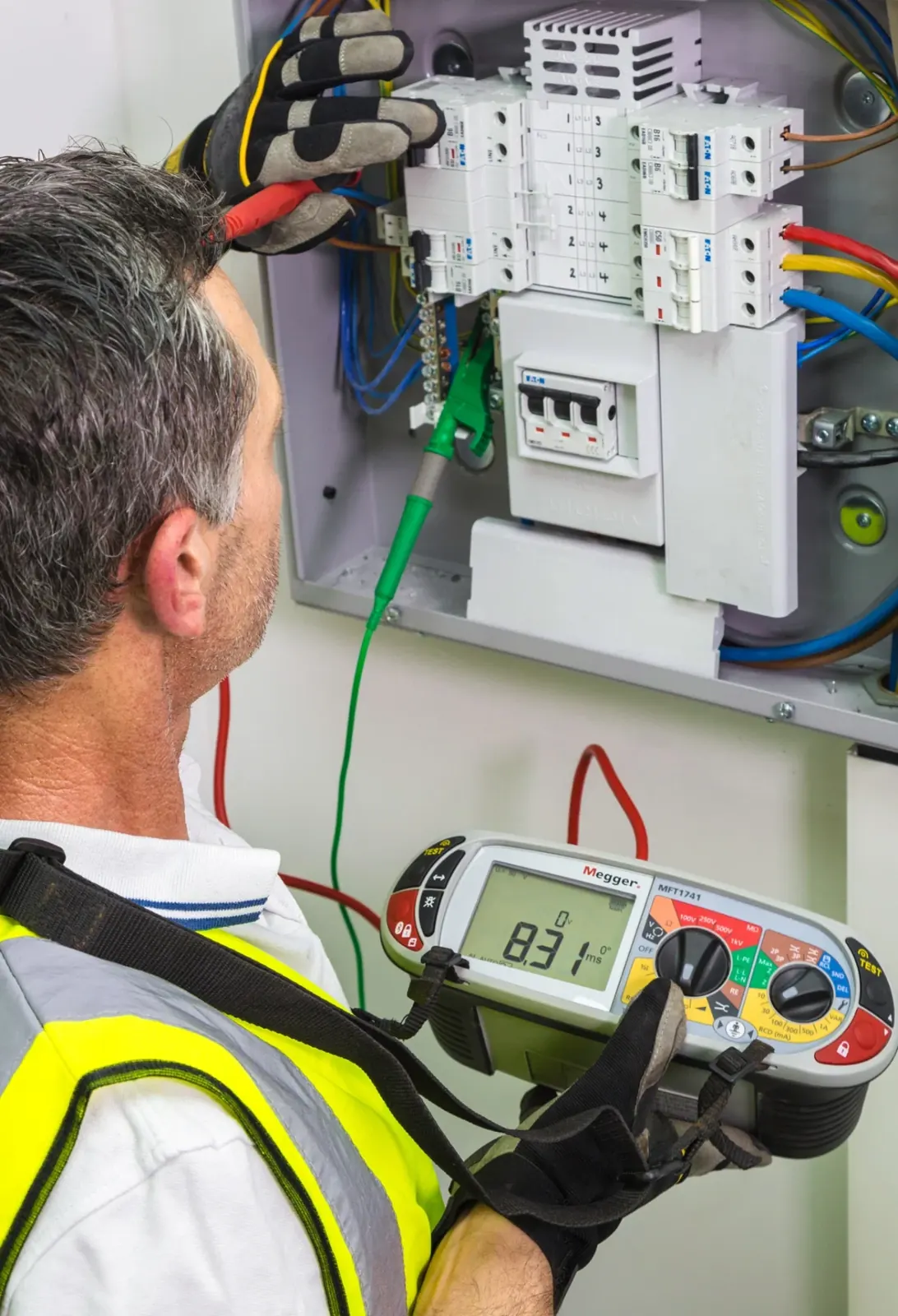
Which inspection and testing qualification should you choose?
Start with the work you actually need to carry out, then choose the qualification that matches it.
New installations
Initial verification
You mainly need to inspect, test and certify new electrical installations, additions or alterations before they are put into service.
2391-50 / EAL Initial
Existing installations
Periodic inspection
You already understand initial verification and need to add periodic inspection, condition reporting and the assessment of existing installations.
2391-51 / EAL Periodic
Both areas
Combined route
You are an experienced electrician and need a formal qualification covering both initial verification and periodic inspection and testing.
2391-52 / EAL Combined
Already hold an inspection and testing qualification?
Do not automatically pay for the combined route again. Check what you already hold, what work you now need to add and whether a separate pathway is more appropriate.
What should you know before booking?
Inspection and testing is easier to learn when you already understand how electrical installations are constructed and have practical experience using test equipment.
Check the exact qualification
Ask for the awarding organisation and qualification number. “Inspection and testing course” or “2391 course” is not enough information on its own.
Be realistic about your experience
A short course cannot replace practical experience. If you rarely test installations, more supervised practice may be more useful than rushing into the highest-level option.
Be comfortable with BS 7671
Inspection and testing relies on understanding the current wiring requirements and being able to find the information you need efficiently.
Ask how the course is assessed
Check the practical assessment, online or written assessment, course schedule and any entry expectations before paying.
BS 7671 Amendment 4 and 2026 assessments
City & Guilds states that assessment tasks which test knowledge of BS 7671 are being amended to align with Amendment 4 within the qualification documentation. If you are booking in 2026, check the current handbook and permitted reference materials supplied by your centre rather than relying on older revision material.
Read our 18th Edition guideWhat can an inspection and testing qualification lead to?
Inspection and testing qualifications can help you take on more responsibility as your practical experience develops.
Initial verification
Develop your ability to inspect, test and certify new installation work within the limits of your competence.
Periodic inspection
Build the knowledge needed for periodic inspection and condition reporting on existing electrical installations.
Further progression
Experienced electricians can continue into areas such as design and verification. City & Guilds lists its Level 4 2396 qualification as a progression route from 2391.
Frequently asked questions
What does 2391 mean?
2391 is the City & Guilds qualification family for Level 3 initial verification and periodic inspection and testing of electrical installations. There are separate 2391-50, 2391-51 and 2391-52 pathways, so it is worth checking exactly which one a training provider is offering.
What is the difference between 2391-50, 2391-51 and 2391-52?
2391-50 covers initial verification of new installations. 2391-51 covers periodic inspection and testing of existing installations. 2391-52 combines both areas and is intended for experienced electricians who need both.
Do I need 2391 to carry out an EICR?
A qualification can help demonstrate inspection and testing knowledge, but holding a certificate by itself does not make somebody competent for every installation. EICR work requires the person carrying it out to have the appropriate knowledge, practical skill and experience for the installation being inspected.
Is EAL inspection and testing recognised?
EAL offers Level 3 inspection and testing qualifications covering initial verification, periodic inspection and a combined initial-and-periodic route. They are separate qualifications from City & Guilds 2391, so compare the exact qualification and requirements rather than relying only on the phrase '2391 course'.
Is there a beginner inspection and testing qualification?
City & Guilds 2392-10 is a Level 2 qualification in Fundamental Inspection, Testing and Initial Verification. City & Guilds describes it as suitable for qualified electricians with some relevant experience who want to prove or refresh fundamental inspection and testing skills before progressing further.
Is inspection and testing the same as PAT testing?
No. This guide is about inspection and testing of fixed electrical installations. In-service inspection and testing of electrical equipment, often called PAT testing, is a different qualification area.
Source and accuracy
Qualification titles, assessment arrangements and wiring regulation requirements can change. This guide was reviewed against current City & Guilds and EAL information on 13 August 2026. Always confirm the exact qualification and current assessment requirements with the awarding organisation and approved training centre before booking.